Indian Navy Launches Indigenous 24-28 MW Gas Turbine Marine Engine Development Program
by sunrise | Oct 12, 2025 | News |
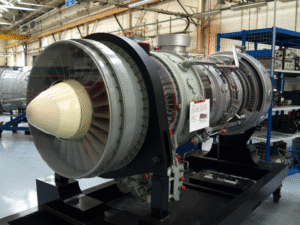
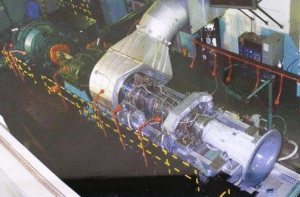
The Indian Navy has launched a significant Indigenous Gas Turbine Marine Engine Development Program, aiming to create a 24-28 MW engine to power frontline warships like destroyers and frigates. This initiative reflects India’s commitment to self-reliance in defense technology, reducing dependency on imported systems while enhancing operational autonomy.
Under the MAKE-I framework, the program will involve collaboration with the Defence Research and Development Organisation (DRDO) and private industry, promoting innovation and strengthening the domestic defense ecosystem. This move aligns with the government’s Aatmanirbhar Bharat and Make in India campaigns, emphasizing sustainability and cost efficiency in naval operations.
Strategic Significance
-
Operational Independence:Eliminating reliance on foreign OEMs ensures uninterrupted availability of critical propulsion systems.
-
Cost Efficiency:Indigenous production reduces long-term procurement and maintenance costs.
-
Technology Leap: Development of high-thrust marine gas turbines requires advanced materials, precision engineering, and high-temperature metallurgy. All of which will enhance India’s overall aerospace and defence ecosystem.
-
Export Potential:Success in this program could open new markets in friendly navies across the Indian Ocean Region (IOR) and beyond.
The Development Roadmap
-
Prototype Phase: Four prototypes will be developed for extensive testing and evaluation.
-
Bulk Production: Following validation, a minimum order quantity of 40 engines is earmarked for induction into naval platforms.
-
Technology Partners:Public Sector Undertakings (PSUs) such as HAL and BHEL, alongside private industry leaders and R&D institutions like GTRE (Gas Turbine Research Establishment, DRDO), are expected to play pivotal roles.
Challenges Ahead
Indigenous gas turbine development is one of the most complex engineering challenges. High-pressure ratios, advanced cooling techniques, blade metallurgy, and efficient fuel consumption must all be mastered to meet global benchmarks. Additionally, naval engines face harsher operating conditions than their aviation counterparts due to corrosive marine environments.
In the coming decade, the success of this initiative could transform India into one of the few countries globally with the ability to design and produce world-class marine gas turbines, cementing its position as a leading maritime power.